
LLMs
Developer Tools
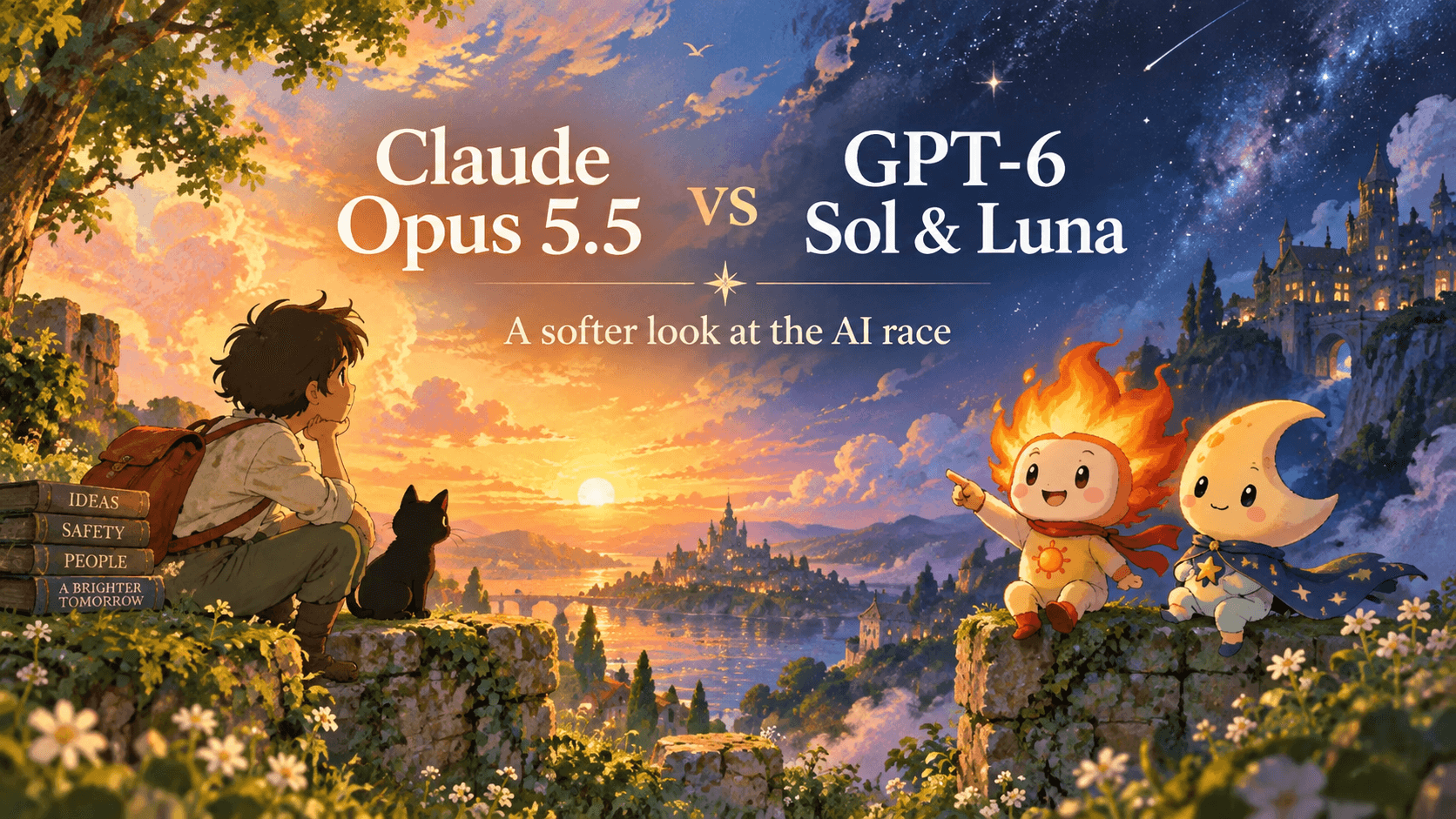
Claude Opus 5.5 vs GPT-6: Why Sol Is the Real Rival.
Claude Opus 5.5 scores 58 on the Artificial Analysis index against GPT-6 Astra's 53 and Sol's 48. But Sol costs half as much and runs faster. Full breakdown.
•11 min read
OpenAI has recently launched the GPT-4.1 family, a new generation of llm this family includes: GPT-4.1, GPT-4.1 mini, and GPT-4.1 nano.
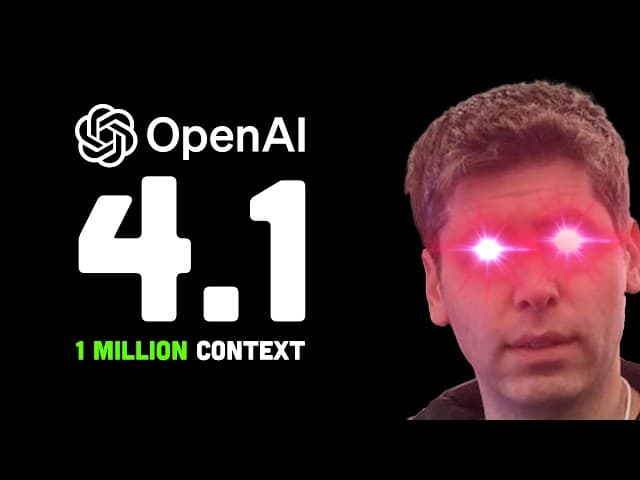
OpenAI has officially launched the GPT-4.1 family of large language models, introducing three powerful variants: GPT-4.1, GPT-4.1 mini, and GPT-4.1 nano. Designed with a sharp focus on coding tasks, these models mark a significant upgrade in overall AI performance and efficiency across the board.
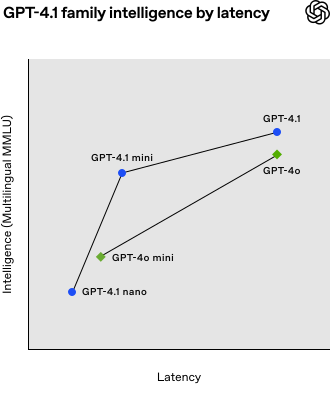
GPT-4.1 models now outperform previous versions in a range of software development tasks. Notably, the base model achieved a 54.6% score on the SWE-bench Verified benchmark—a major leap over GPT-4o. It also excels in frontend coding, producing cleaner diffs and more accurate suggestions.
The models demonstrate significantly improved instruction adherence, performing better on benchmarks that test how well an AI can follow complex, nuanced commands.
One of GPT-4.1’s standout capabilities is its ability to process up to 1 million tokens. This allows it to handle vast codebases, lengthy documents, and long conversations without losing context or coherence—making it ideal for advanced enterprise use cases.
These improvements are especially impactful for:
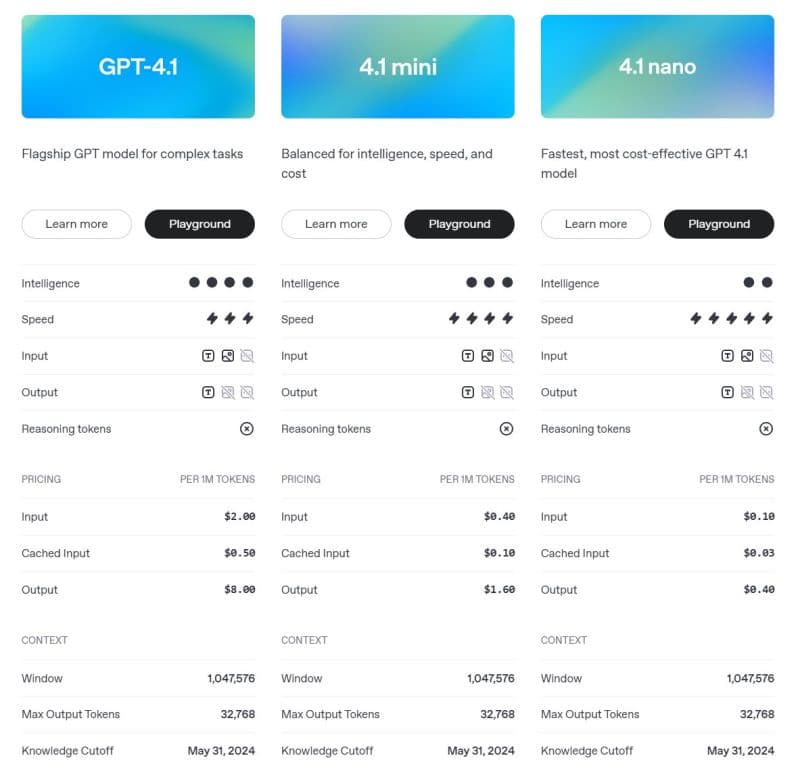
| Model | Ideal Use Case | Key Strengths |
|---|---|---|
| GPT-4.1 | Advanced reasoning, complex task handling | Highest accuracy, best performance |
| GPT-4.1 mini | Versatile daily tasks and cost-effective use | Balanced speed, cost, and intelligence |
| GPT-4.1 nano | Lightweight, fast-response applications | Fastest and most affordable |
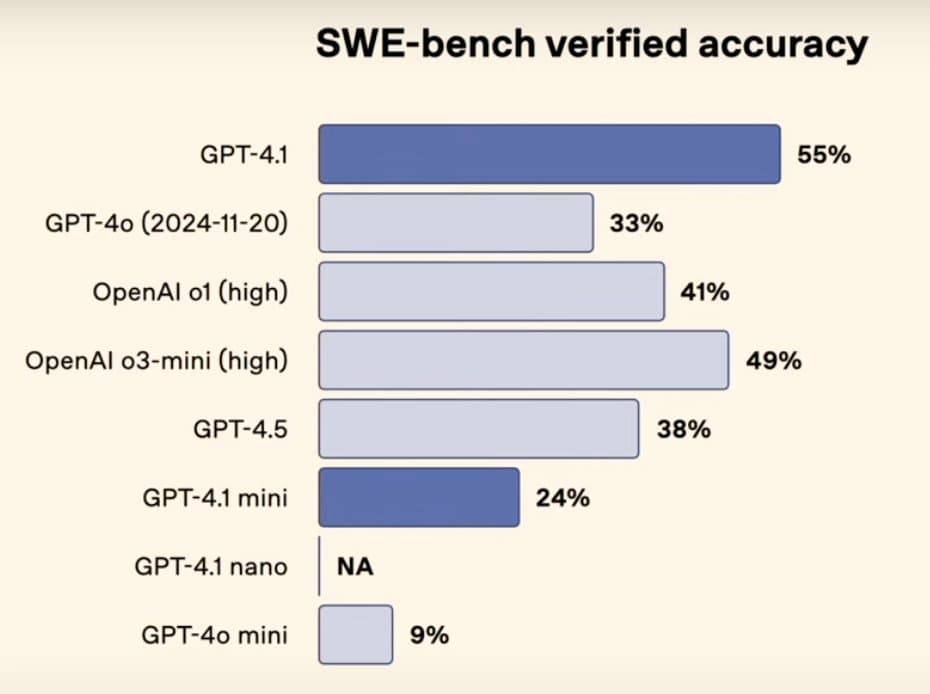
Real-world testing shows impressive gains:
With the release of the GPT-4.1 family, OpenAI pushes the boundaries of what AI can achieve in real-world coding, comprehension, and reasoning tasks. Whether you’re building AI tools for engineering teams or optimizing customer workflows, these models offer a reliable, cost-efficient, and high-performing foundation.
🔥 Ready to explore GPT-4.1? Dive into these models and see how they can supercharge your development workflow - https://openai.com/index/gpt-4-1/.
Schedule a chat to see how GPT-4.1 can enhance your development workflows.
Continue exploring these related topics
Claude Opus 5.5 scores 58 on the Artificial Analysis index against GPT-6 Astra's 53 and Sol's 48. But Sol costs half as much and runs faster. Full breakdown.
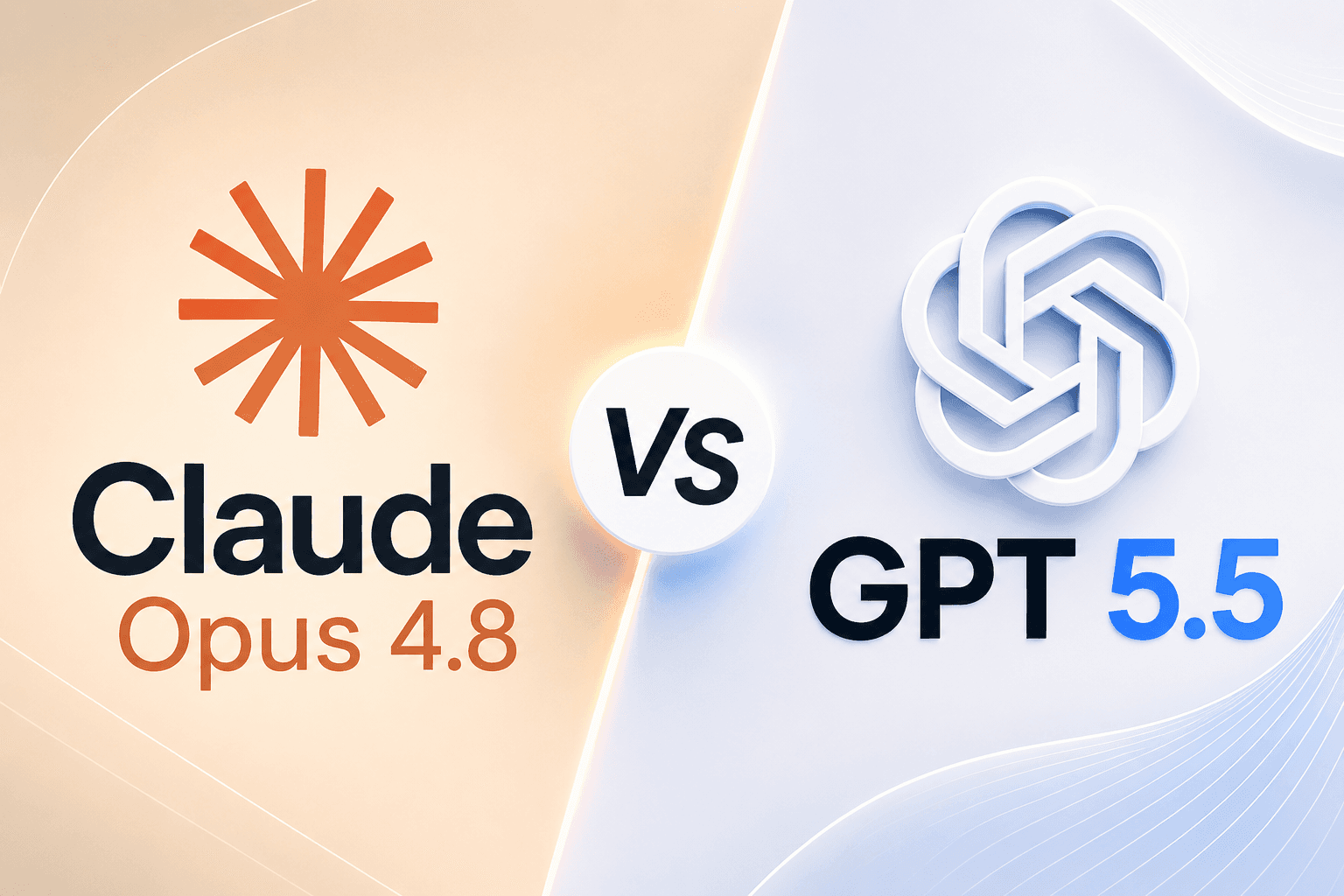
Two flagship AI models. Five weeks apart. Same price — but very different strengths. Here's the honest breakdown of Claude Opus 4.8 vs GPT-5.5 on benchmarks, pricing, and real-world performance.
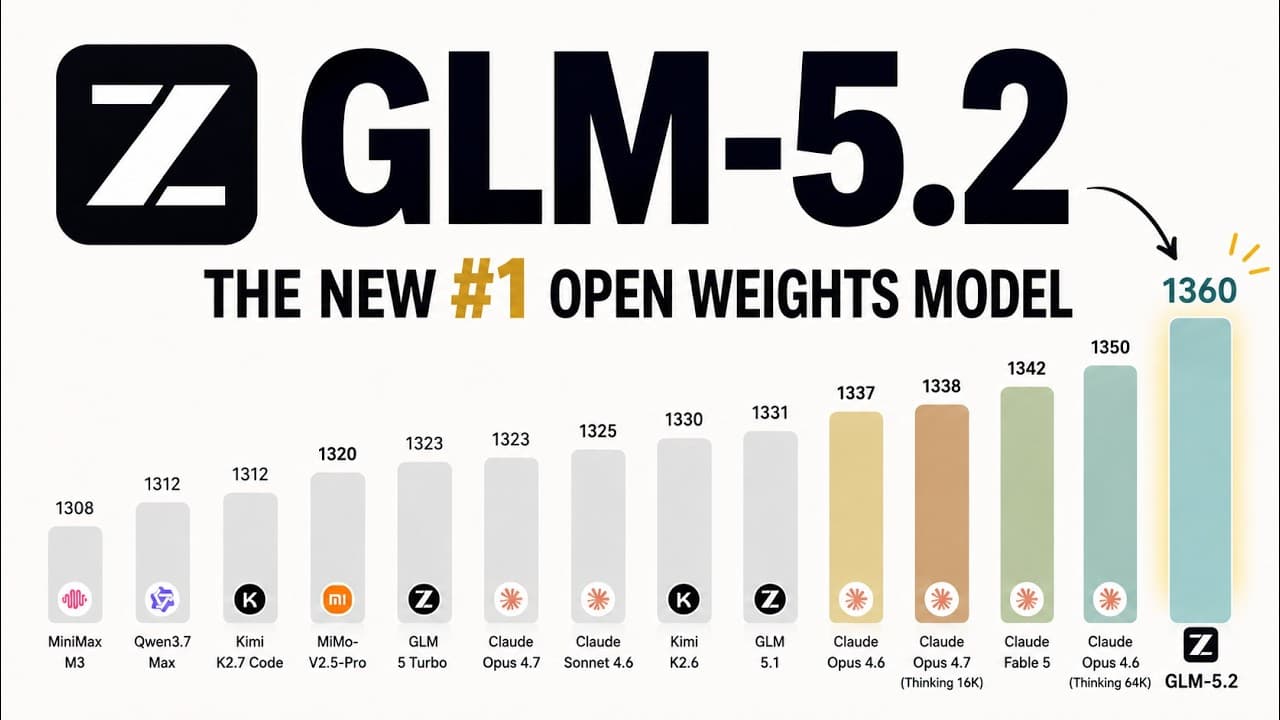
GLM-5.2 is Z.ai's new flagship text model for long-horizon engineering work: 1M-token context, 128K maximum output, function calling, structured output, MCP integration, and a public model card on Hugging Face.