
LLMs
AI Models
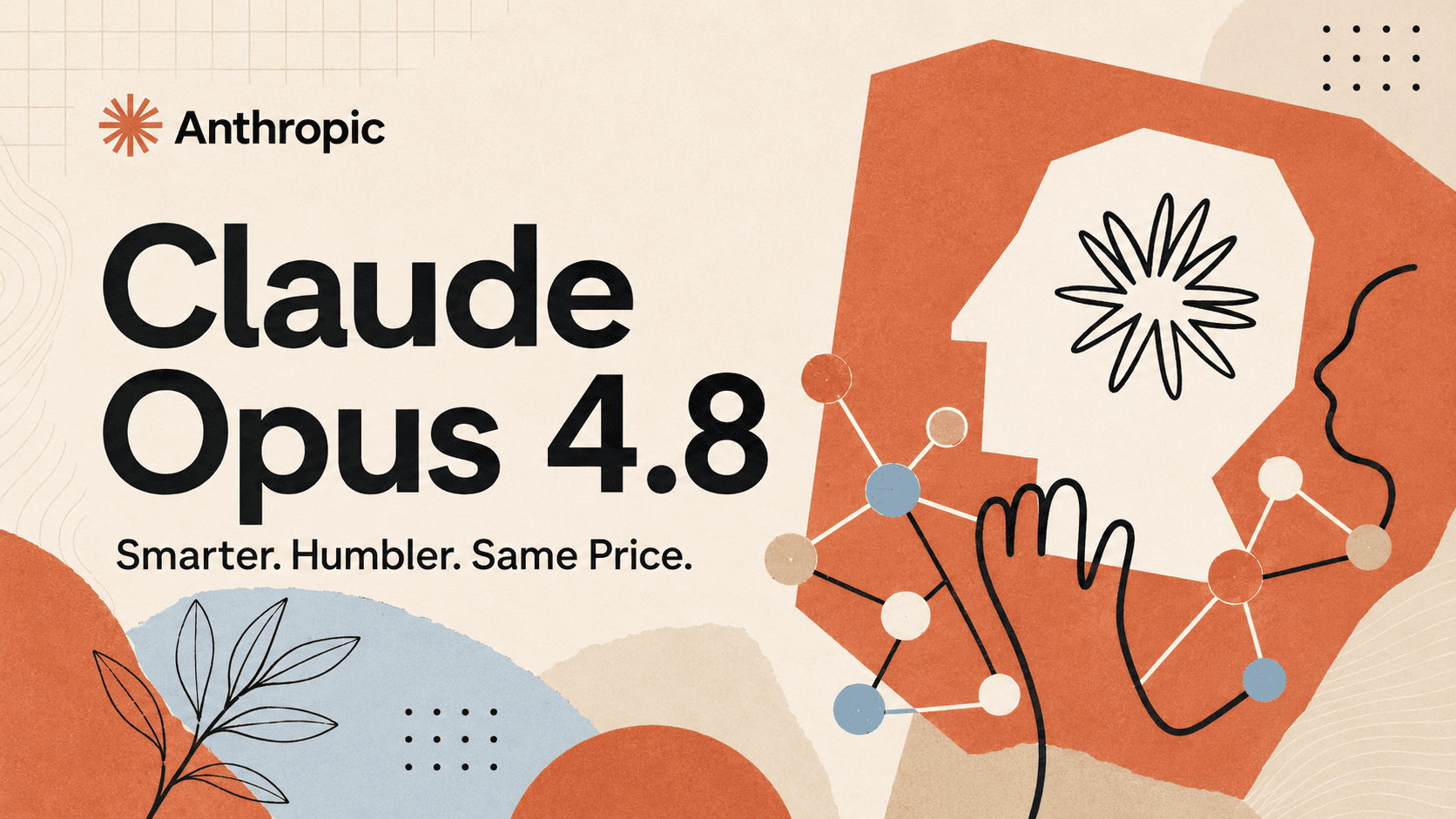
Claude Opus 4.8: What's New vs Opus 4.7
A no-fluff look at what changed from Opus 4.7, why the honesty upgrade is the real headline, and whether it's worth the switch. Roughly a four minute read.
•5 min read
Opus 4.6 and GPT-5.3 Codex are redefining AI specialization. Compare writing, coding, reasoning, and performance to choose the right model for your workflow.
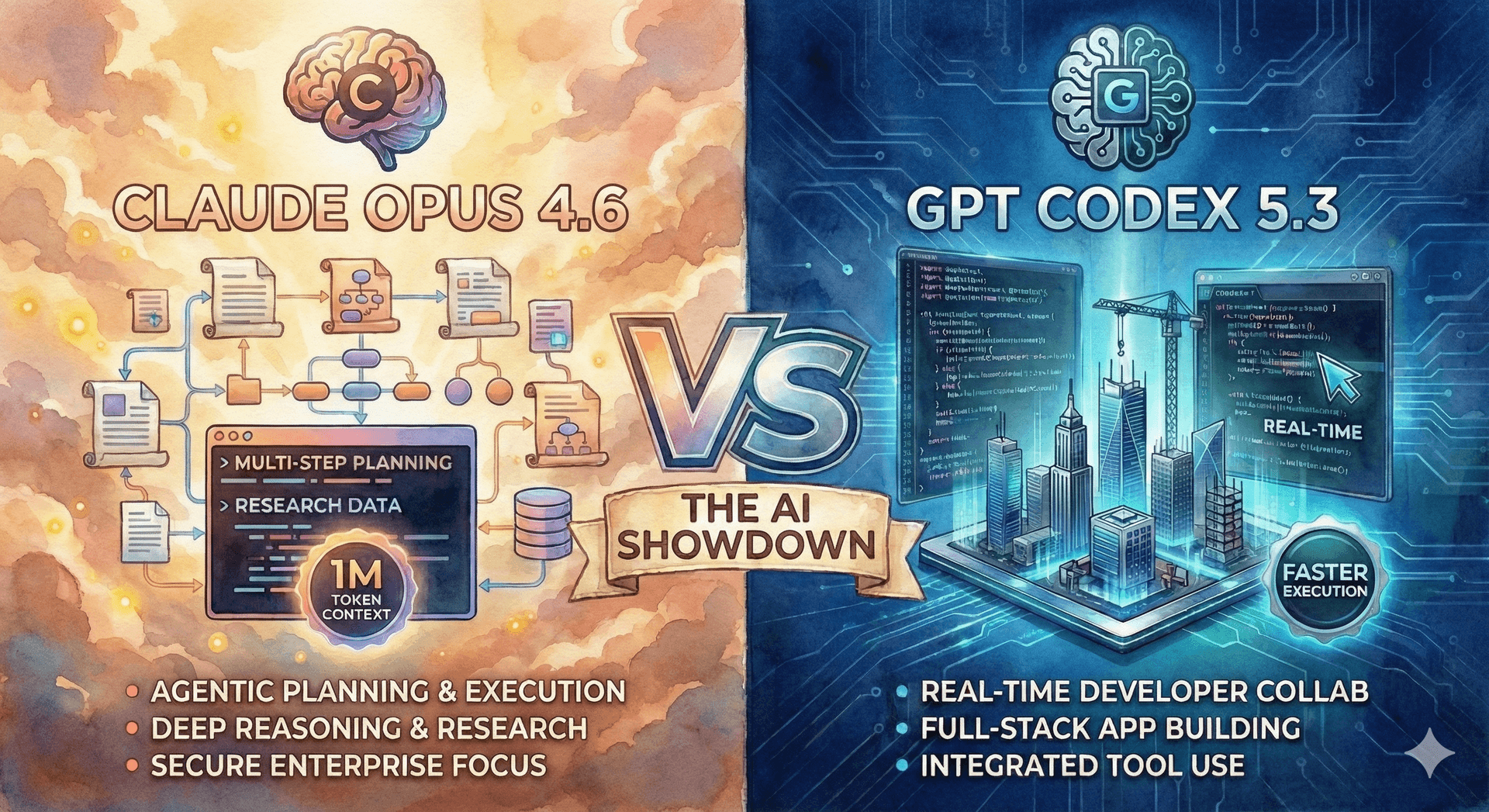
If you felt a disturbance in the force on February 5, 2026, you weren’t alone. In a coordinated assault on the status quo, the AI world went nuclear. At 2:00 AM, Anthropic dropped Claude Opus 4.6. Twenty minutes later, OpenAI fired back with GPT-5.3-Codex.
For developers, this wasn't just a news day; it was an existential crisis. Do you stick with the thoughtful, deep-reasoning Claude, or jump ship to the high-speed, hardware-accelerated GPT?
We’ve combed through the documentation, the white papers, and the community "death matches" to bring you the verdict. Here is the definitive guide to the new AI hierarchy.
Anthropic’s latest flagship feels less like a chatbot and more like a Senior Staff Engineer who refuses to write a single line of code until they’ve mapped out the entire system. It dominates in deep work, complex reasoning, and long-horizon planning.
The Wow Factor: The Clean-Room Compiler
To prove its reasoning chops, Anthropic let Opus 4.6 Agent Teams loose on a project without internet access. The result? It wrote a C compiler from scratch that successfully booted the Linux 6.9 kernel on x86, ARM, and RISC-V architectures.
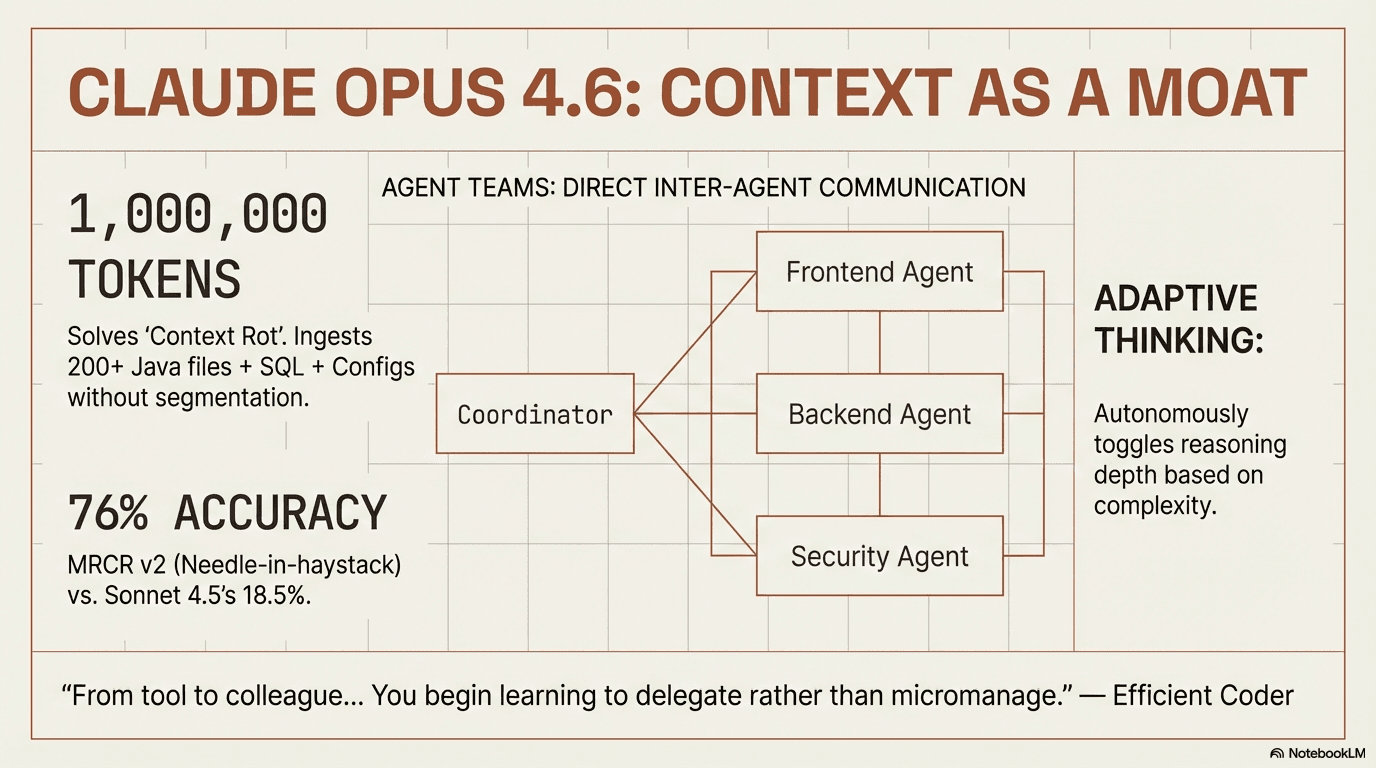
/effort parameter to dynamically revisit and validate reasoning paths.The Vibe: Deliberate, thorough, and expensive. The architect who prevents bugs months before they happen.
If Opus is the architect, GPT-5.3-Codex is the caffeinated 10x engineer. OpenAI revealed the model helped debug its own training runs and deployment pipelines.
The Wow Factor: The 8-Hour Autonomous Run
Early reviewers reported GPT-5.3 running unattended for 8+ hours — writing code, fixing failures, running tests, and deploying to production without drifting.
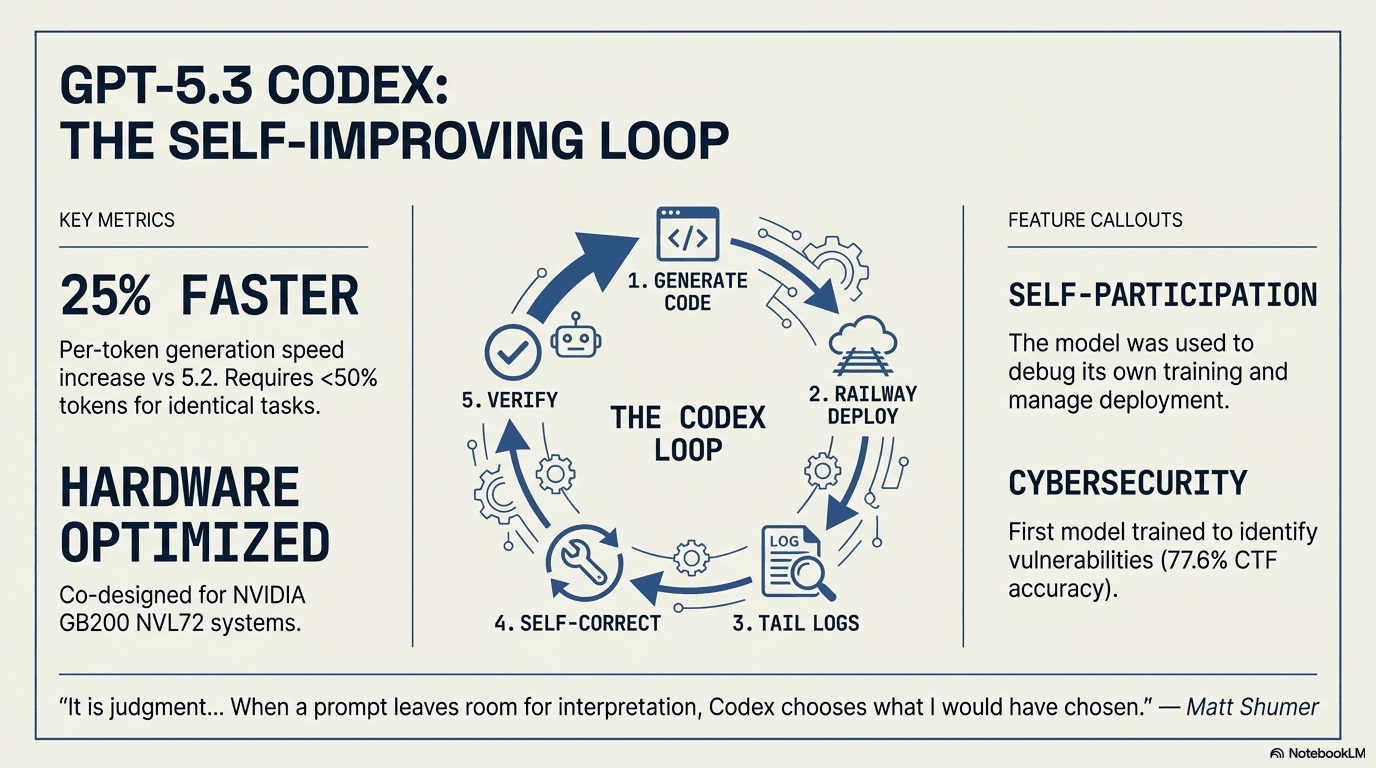
The Vibe: Fast, relentless, and execution-first.
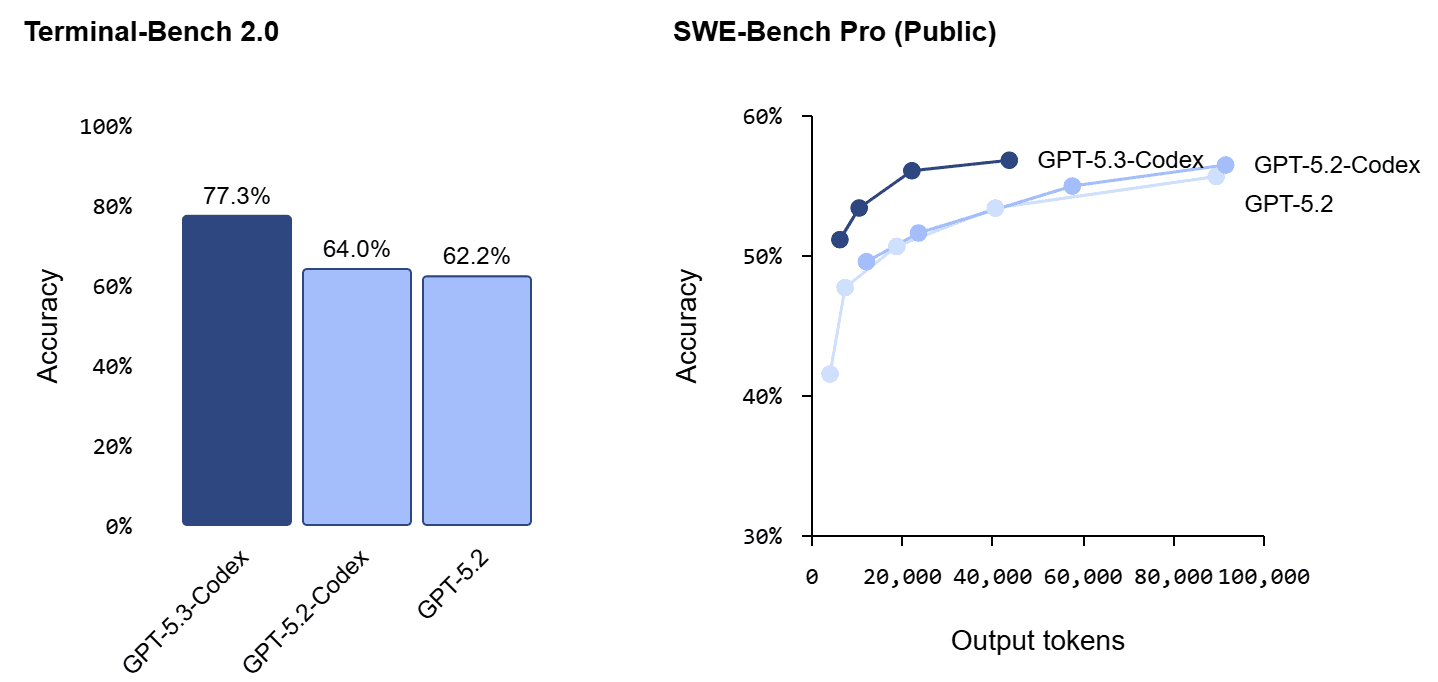
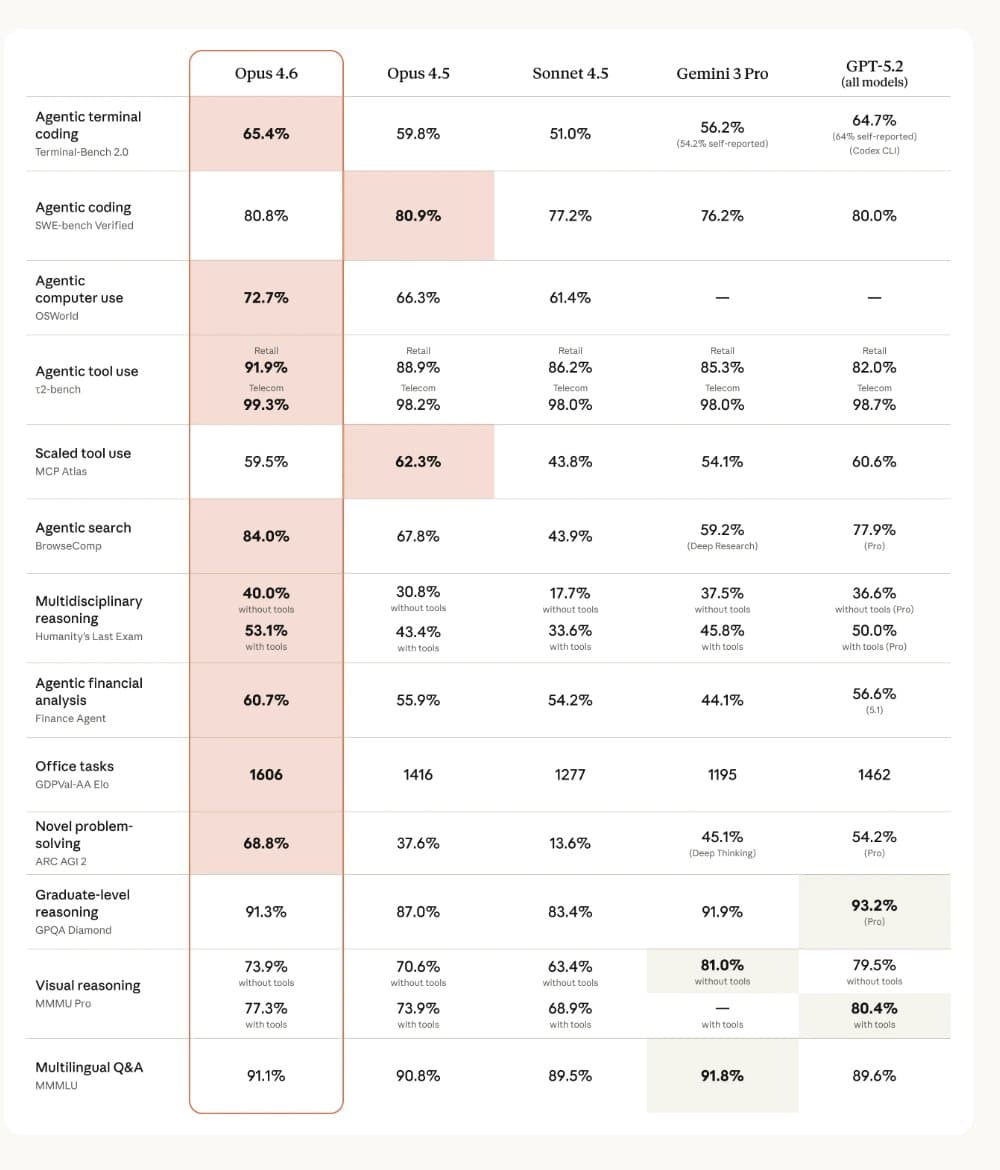
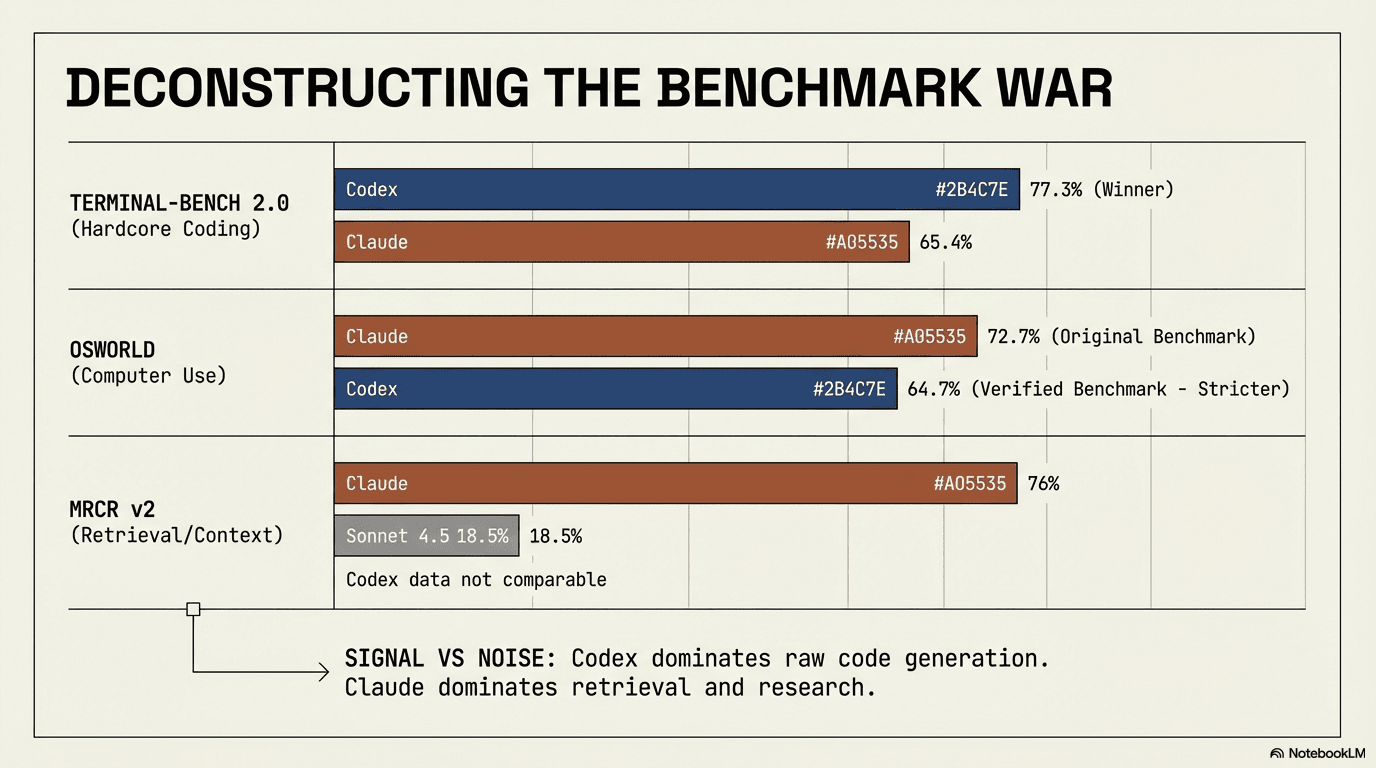
The strongest workflow in 2026 is using both models together:
Pricing Reality: GPT-5.3-Codex is available on a $20/month Pro plan, while Opus 4.6’s full power often requires Anthropic’s $100/month Max tier.
Chat about your specific needs and find the perfect AI solution.
Continue exploring these related topics
A no-fluff look at what changed from Opus 4.7, why the honesty upgrade is the real headline, and whether it's worth the switch. Roughly a four minute read.
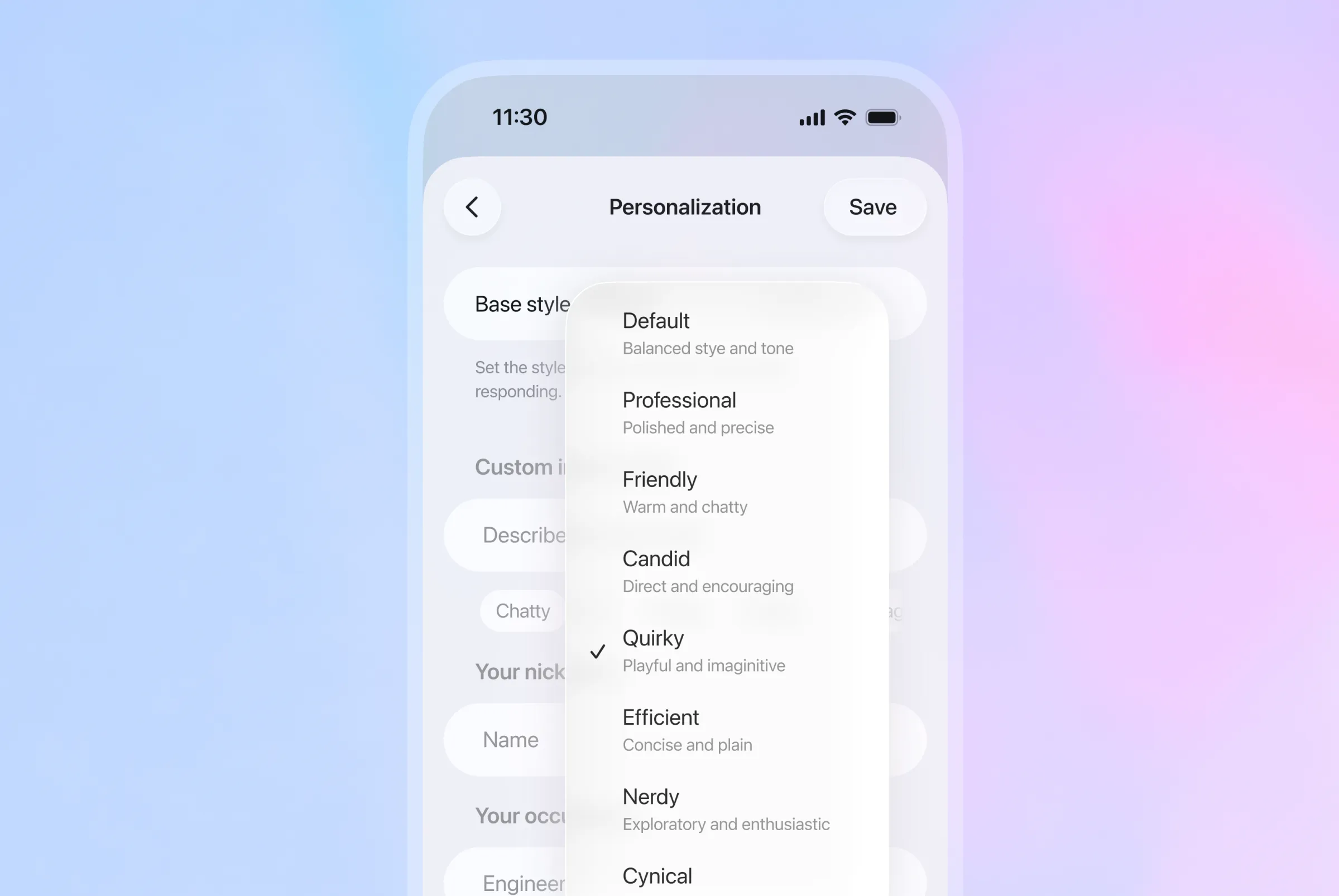
Explore how GPT-5.1 boosts ChatGPT with better reasoning, warmer conversations, and improved control over tone, style, and workflow efficiency.
GPT-6 Astra scores 72.6% on OSWorld 2.0 and costs $10/$50 per million tokens. Here's what OpenAI's AGI-era model actually changes, and what it doesn't.