
LLMs
AI Productivity
What Is TypeSafe Jev? The ChatGPT Co-Creator's Silent AI
TypeSafe AI's Jev returns typed decisions in 0.4s at $0.0004 per case, matching GPT-5.6 Terra's 67.9% at 1/76th the cost. Where it fits, and where it doesn't
•11 min read
NVIDIA GTC 2026 showed AI’s shift from chips to full-stack infrastructure, spanning AI factories, agents, and physical AI.
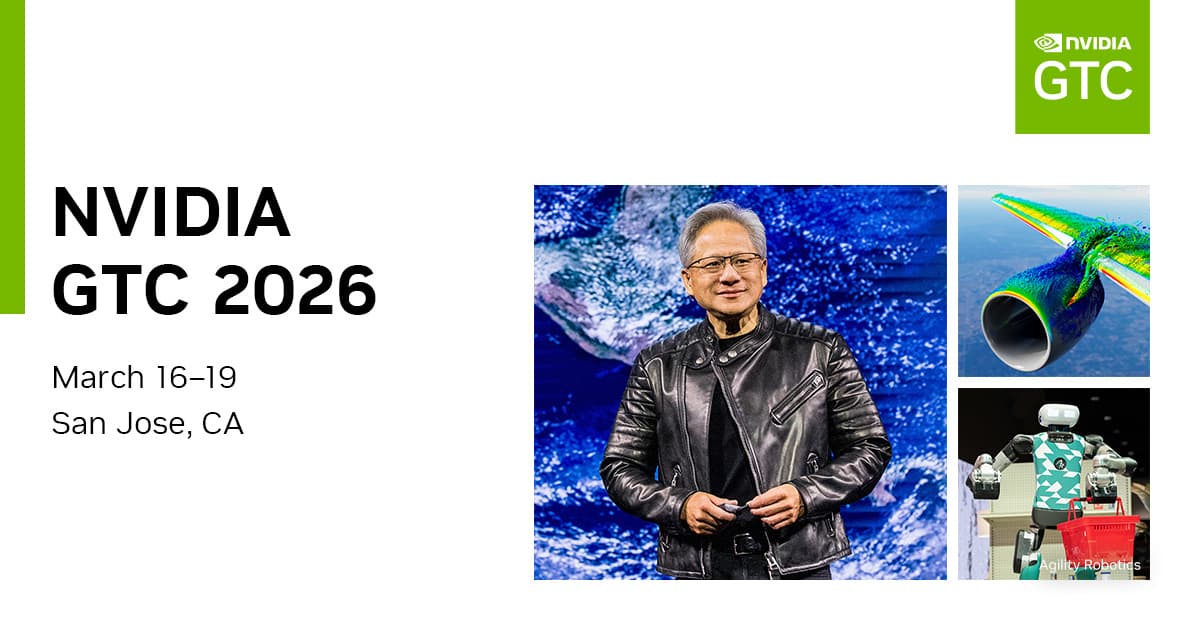
If you expected NVIDIA GTC 2026 to be another “faster chips, bigger numbers” keynote, you only saw half the story.
Yes, NVIDIA showed new systems, new platforms, and a much bigger roadmap. But the real message was sharper than that: AI is no longer being pitched as a feature. It’s being pitched as infrastructure.
And that changes how you should read this event — whether you’re a developer, founder, product lead, or AI operator.
A lot of conferences make noise. GTC usually makes direction.
This year’s event made one thing very clear: NVIDIA is no longer just selling performance. It is selling a model for how the AI economy should be built.
That means:
This is what made GTC 2026 different. The conference wasn’t really saying, “Look at our next chip.”
It was saying, “Here is how the next generation of AI systems will be designed, deployed, and monetized.”
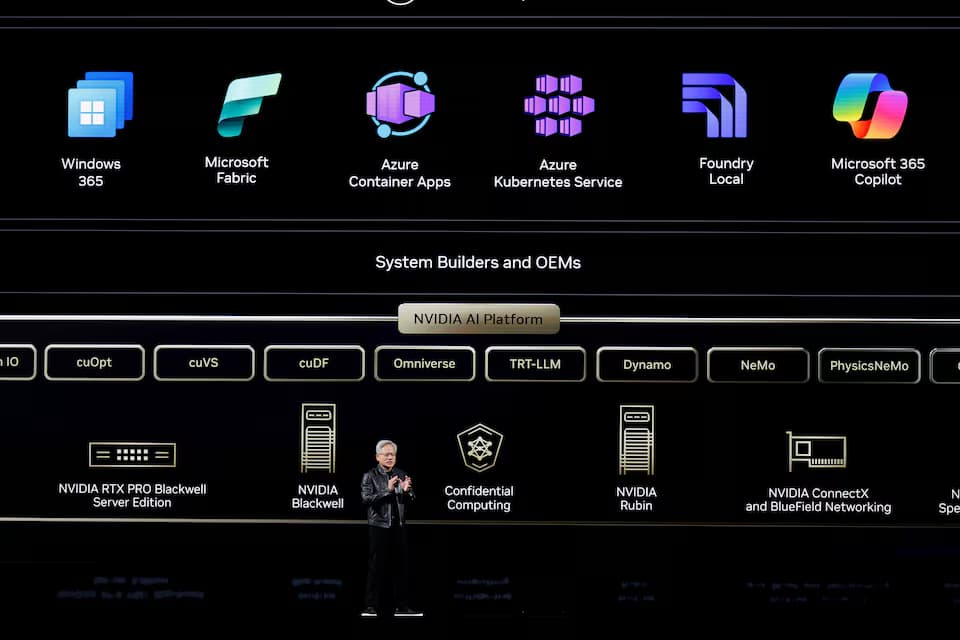
The term that stood out most at GTC 2026 was AI factory.
That phrase matters because it changes the conversation completely.
Old framing:
New framing:
That’s the jump.
NVIDIA is trying to move buyers away from thinking in isolated hardware decisions and toward thinking in full-stack AI production systems.
In plain English: this is not just about compute anymore. It’s about turning compute into real product output.
“NVIDIA GTC 2026 wasn’t a chip keynote with extra slides. It was a blueprint for turning AI into infrastructure.”
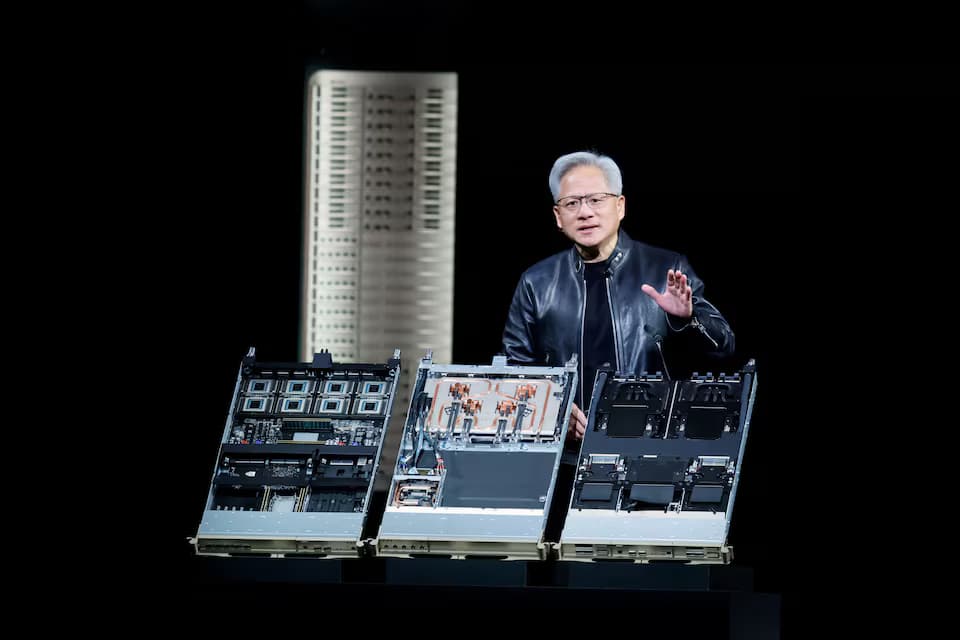
Yes, Vera Rubin got attention. It should have.
But the bigger point is not the name of the platform. The bigger point is what it represents.
It represents NVIDIA’s effort to define:
That’s a much bigger ambition than releasing faster hardware.
The message was simple: if AI is going to power the next industrial era, then companies won’t just need accelerators. They’ll need repeatable, scalable AI infrastructure.
That is where the AI factory framing becomes powerful. It turns AI from an engineering experiment into an operating model.
Imagine tuning in expecting the usual benchmark race.
Instead, what you see is a conference that keeps zooming out:
At some point, it stops feeling like a product keynote and starts feeling like a map of where software is going next.
That was the moment the event clicked for me.
The actual product is no longer “the chip.”
The product is the stack.
If you build AI products, this shift affects you directly.
Training still matters. But inference is where real products live.
This is where teams get hit by:
That’s why the most important AI products over the next year probably won’t win because they trained the biggest model.
They’ll win because they:
That is a major mindset change.
GTC 2026 pushed agentic AI much harder than a generic “assistant future” narrative.
That matters because the next wave of AI products is less about answering questions and more about doing useful work.
Useful work means:
A flashy demo is easy.
A reliable agent that runs under real constraints is hard.
That’s why builders should pay attention here. The gap between “cool prototype” and “production-grade agent” is now becoming the real product challenge.
Another theme sitting under the surface of GTC 2026: not every useful AI workflow has to live entirely in the cloud.
The push around local systems, private environments, and more efficient inference matters for teams that care about:
For many builders, that’s not just a technical detail. It’s a product advantage.
If you’re a founder, GTC 2026 gives you a strong signal about where value is moving.
The opportunity is no longer just “add AI to the product.”
The better question is: Where can AI become a system advantage inside the product?
That could mean:
The winners won’t be the teams that simply mention AI in their landing page.
The winners will be the teams that understand where AI can become operational leverage.
One of the smartest things about GTC 2026 was how clearly it pushed beyond software-only AI.
This event made it obvious that AI is not stopping at:
It is moving further into:
That matters because it expands the future market for AI dramatically.
When AI can perceive, reason, and act under physical constraints, entire new product categories open up.
This is where a lot of people are still thinking too small.
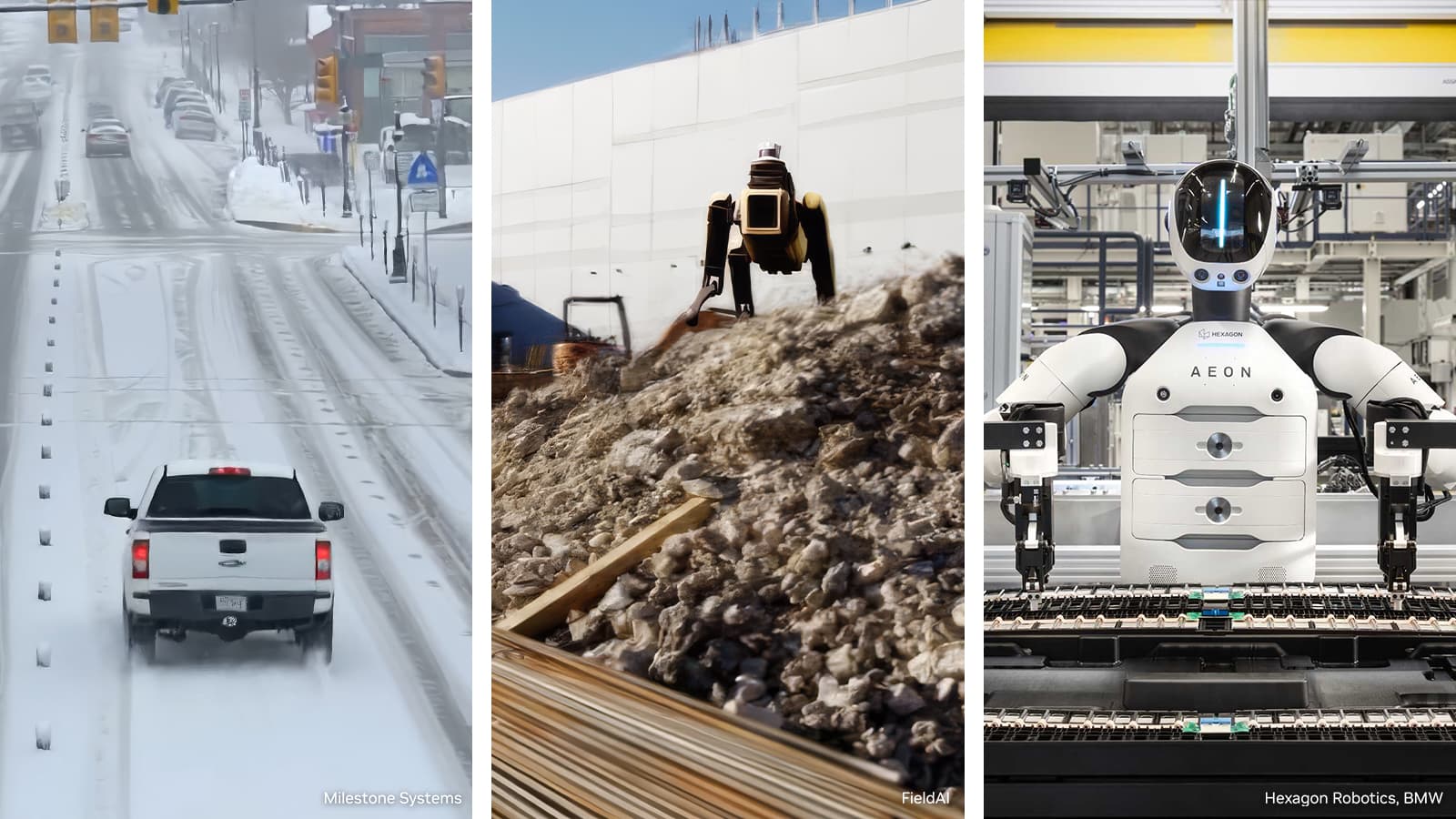
For India and the wider APAC region, GTC 2026 lands differently.
This isn’t just another Silicon Valley event recap.
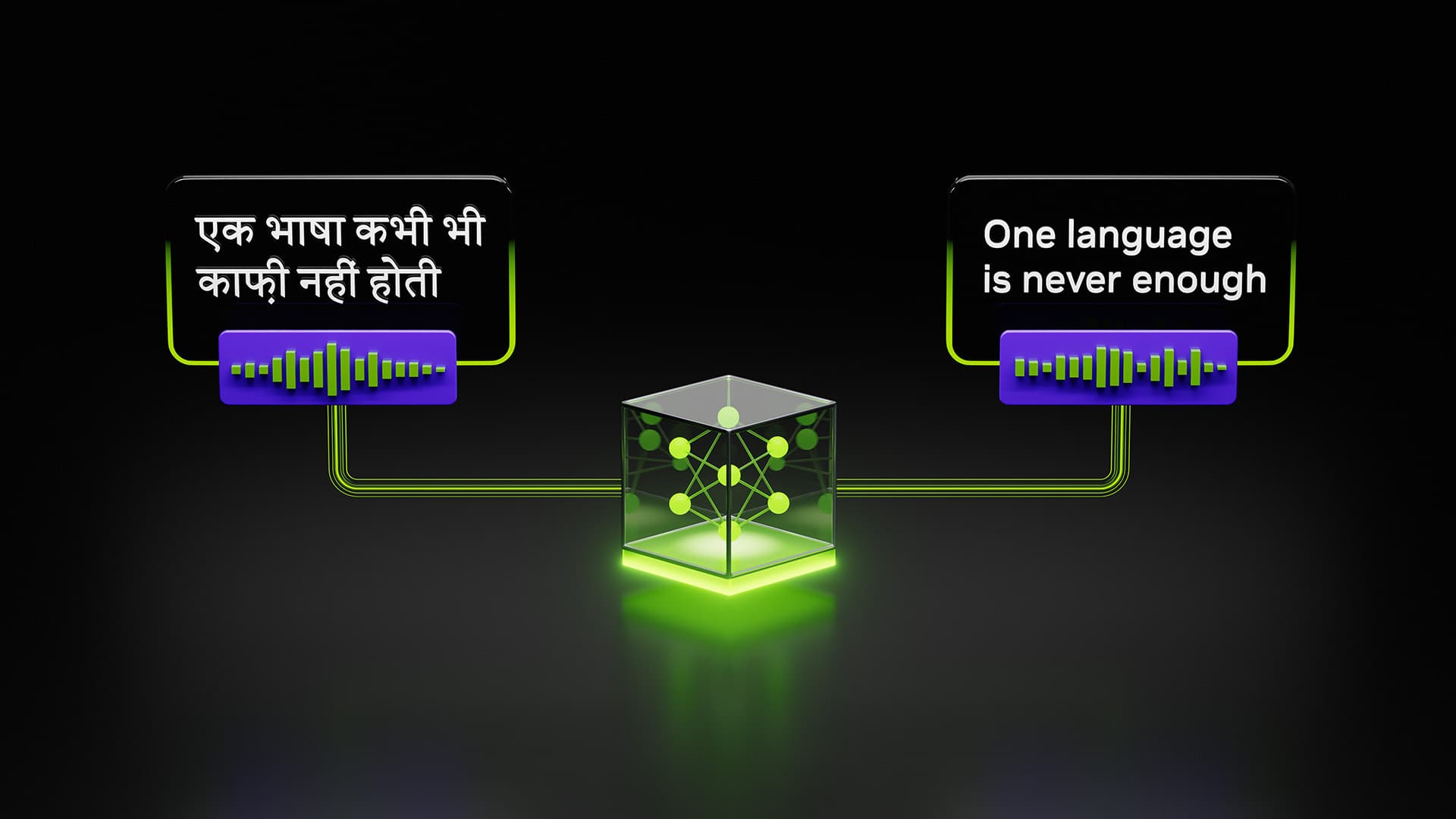
It’s a signal that the future AI race won’t be won only by whoever has the best consumer chatbot. It’ll also be shaped by:
That’s especially relevant for India, where the AI conversation is becoming more serious around infrastructure, domestic capability, and practical deployment.
For startups and product teams in this region, the opportunity is not to copy the US market one-to-one.
It’s to build AI products that fit local realities:
That’s where the next wave of advantage can come from.
A lot of summaries of GTC 2026 will focus on launches.
That’s useful, but incomplete.
The more interesting angle is this:
GTC 2026 showed that AI is maturing from a model race into an infrastructure race.
That means the conversation is shifting:
That shift is easy to overlook, but it is probably the most important thing the conference revealed.
If you build with AI, don’t treat GTC 2026 like event content. Treat it like strategic input.
Audit your product around inference realities
Look at cost, latency, uptime, and user-perceived speed.
Decide whether your AI roadmap needs agents or just assistants
Don’t force agentic workflows where they don’t belong.
Design for system thinking
Model choice matters, but so do orchestration, memory, guardrails, and deployment.
Watch physical AI and edge use cases early
Even if your current product is software-only, adjacent opportunities may not be.
Build for your region, not just the global hype cycle
Localization, compliance, and infrastructure access can be huge advantages.
GTC 2026 made one thing very clear:
The winners in AI won’t just have better models. They’ll have better systems.
That is the real takeaway.
Not more hype.
Not just more hardware.
Not just bigger numbers.
Better systems. Better deployment. Better economics. Better outcomes.
That’s what NVIDIA was really selling at GTC 2026 — and that’s what builders should be paying attention to.
We can discuss setting up future-ready AI infrastructure tailored for your business.
Continue exploring these related topics
TypeSafe AI's Jev returns typed decisions in 0.4s at $0.0004 per case, matching GPT-5.6 Terra's 67.9% at 1/76th the cost. Where it fits, and where it doesn't
GPT-6 Astra scores 72.6% on OSWorld 2.0 and costs $10/$50 per million tokens. Here's what OpenAI's AGI-era model actually changes, and what it doesn't.
Ox Alpha appeared free on OpenRouter with a 1M-token window and 16 trillion tokens processed in three days. Nobody has confirmed who built it.