
LLMs
Developer Tools
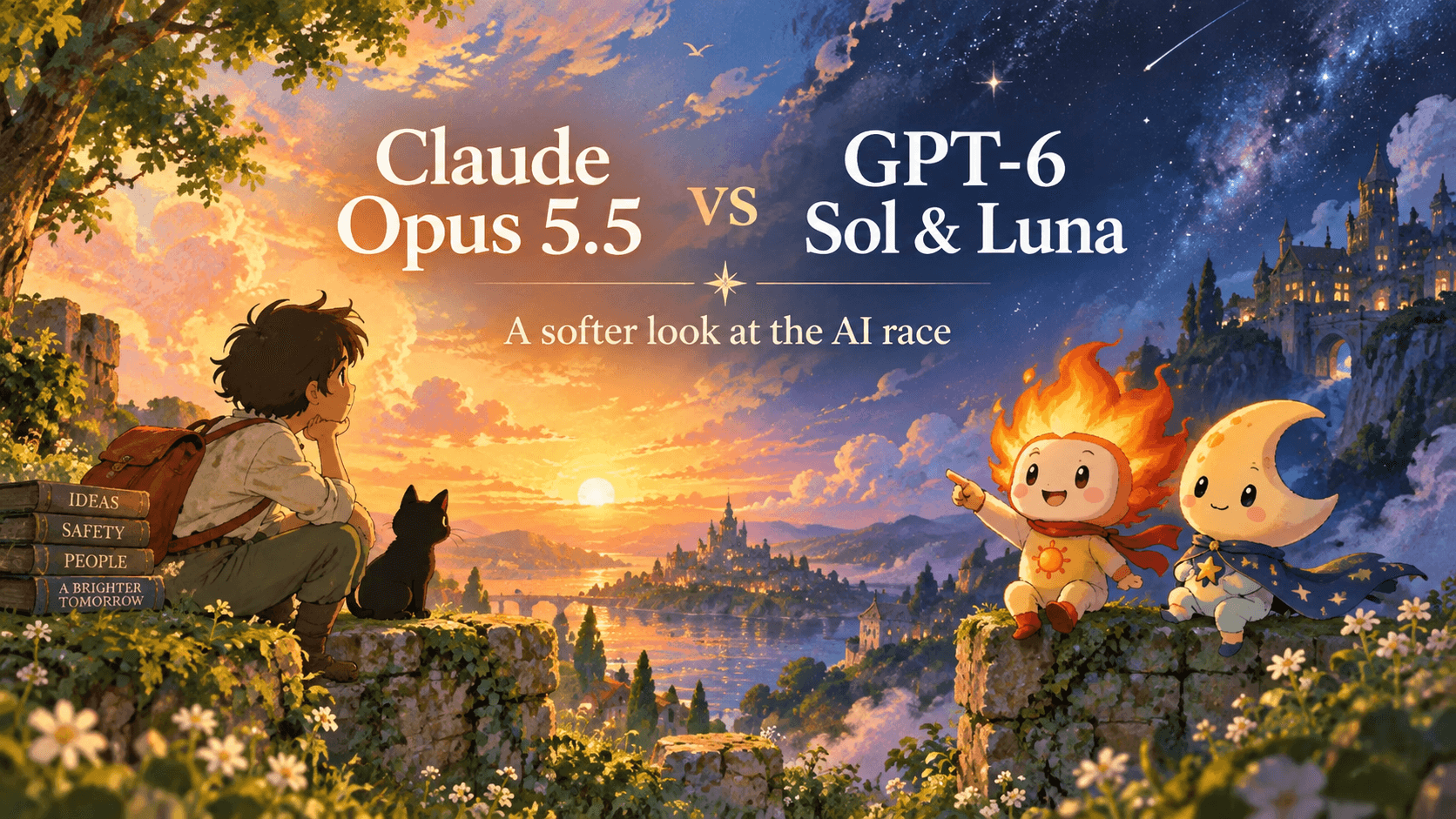
Claude Opus 5.5 vs GPT-6: Why Sol Is the Real Rival.
Claude Opus 5.5 scores 58 on the Artificial Analysis index against GPT-6 Astra's 53 and Sol's 48. But Sol costs half as much and runs faster. Full breakdown.
•11 min read
Google’s nano-banana (Gemini 2.5 Flash Image) enhances AI image generation with lower latency, stronger consistency, and advanced editing features.
When Google announced Gemini 2.5 Flash Image, they gave it a playful codename: nano-banana. But don’t be fooled by the lighthearted name — under the hood, this is a serious leap forward in how we generate and edit images using AI.
Here’s a closer look at what nano-banana brings to the table, how you can use it, and why it’s making waves across the internet.

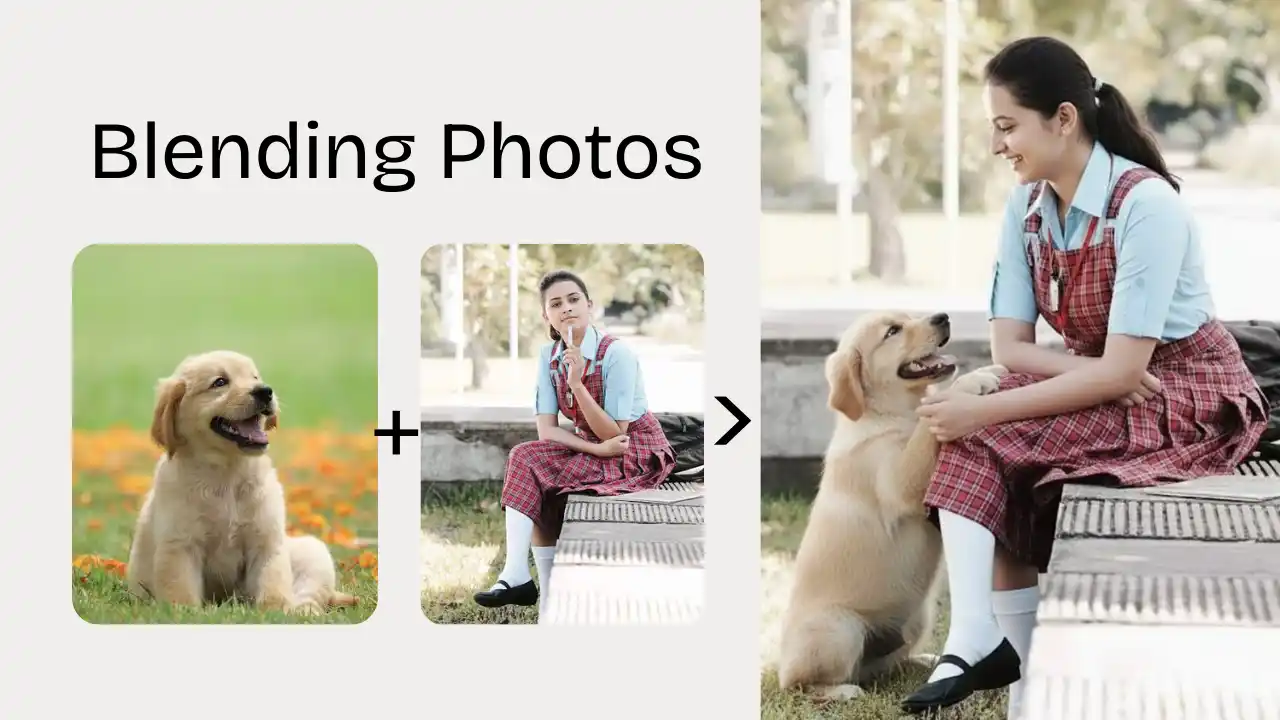

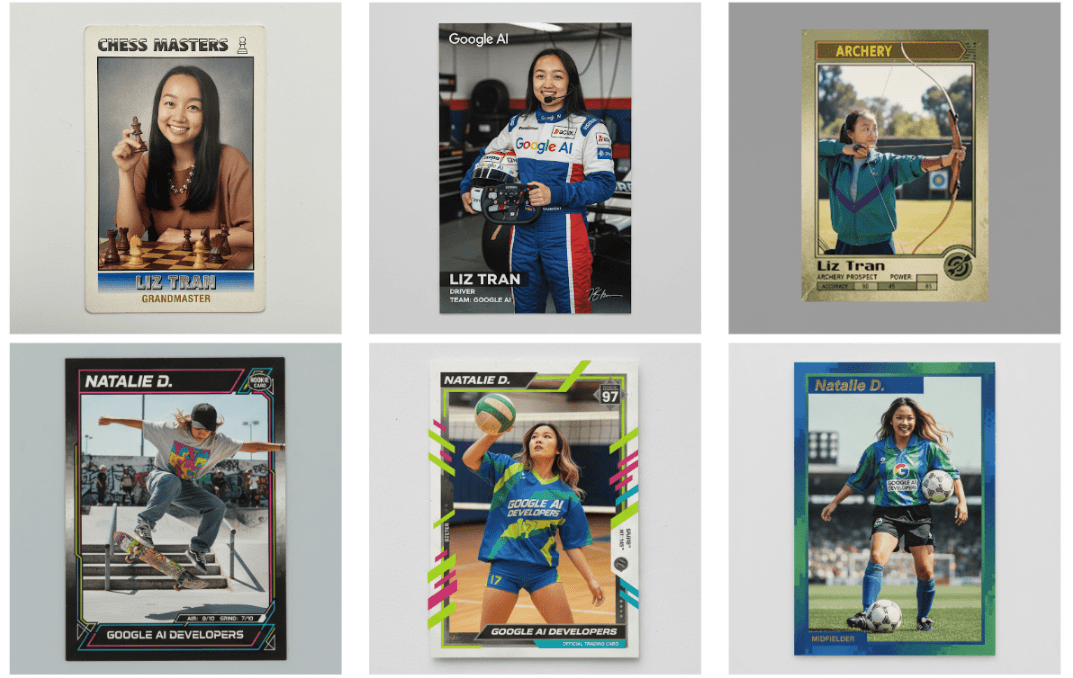
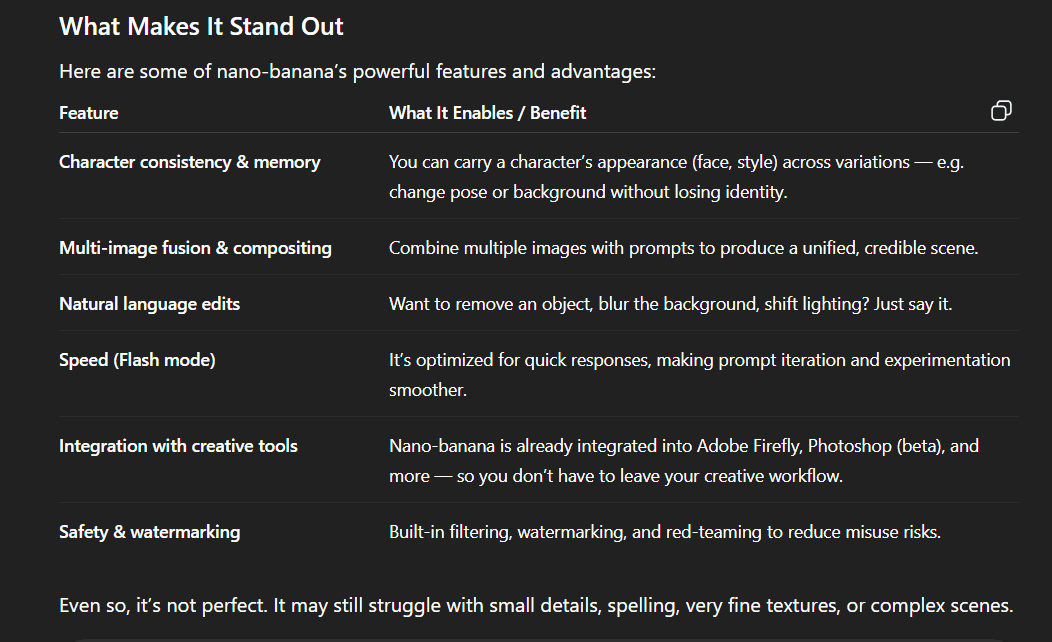
Nano-banana isn’t just a developer’s toy — it’s sparking cultural moments:
Nano-banana may sound whimsical, but Gemini 2.5 Flash Image is one of the most ambitious AI tools Google has released yet. With its mix of speed, creativity, cultural adoption, and watermarking safeguards, it shows how generative AI is moving from novelty to mainstream creative infrastructure.
Expect it to shape workflows in design, marketing, entertainment, and personal expression — while also raising big questions about originality and AI’s role in creativity.
Let's discuss how your business can achieve cutting-edge AI image solutions.
Continue exploring these related topics
Claude Opus 5.5 scores 58 on the Artificial Analysis index against GPT-6 Astra's 53 and Sol's 48. But Sol costs half as much and runs faster. Full breakdown.
GPT-6 Astra scores 72.6% on OSWorld 2.0 and costs $10/$50 per million tokens. Here's what OpenAI's AGI-era model actually changes, and what it doesn't.
Ox Alpha appeared free on OpenRouter with a 1M-token window and 16 trillion tokens processed in three days. Nobody has confirmed who built it.