
LLMs
Developer Tools
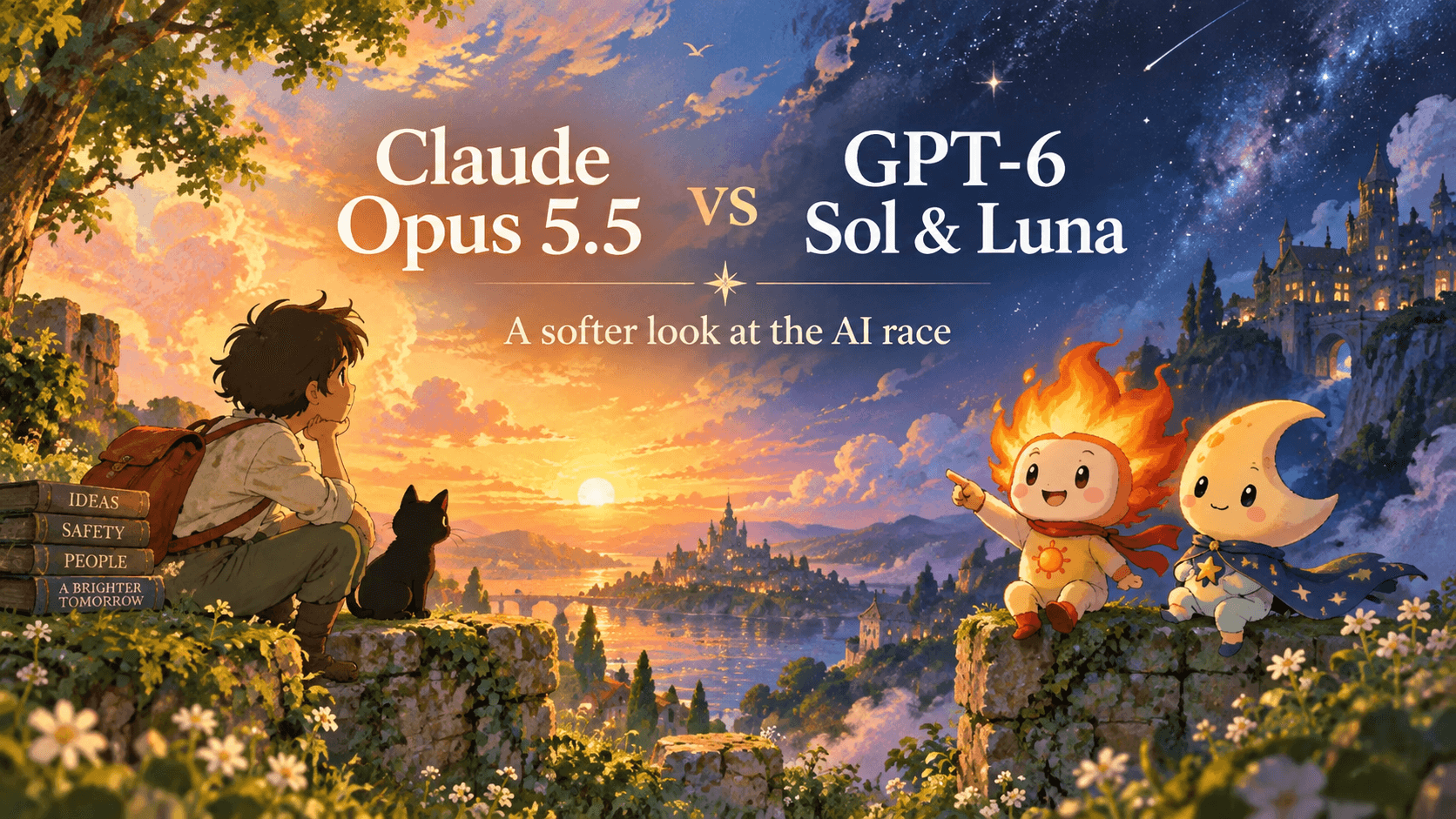
Claude Opus 5.5 vs GPT-6: Why Sol Is the Real Rival.
Claude Opus 5.5 scores 58 on the Artificial Analysis index against GPT-6 Astra's 53 and Sol's 48. But Sol costs half as much and runs faster. Full breakdown.
•11 min read
Meet the new ChatGPT Images model (GPT Image 1.5): generate and edit AI images up to 4× faster with sharper prompts and consistent faces/logos.
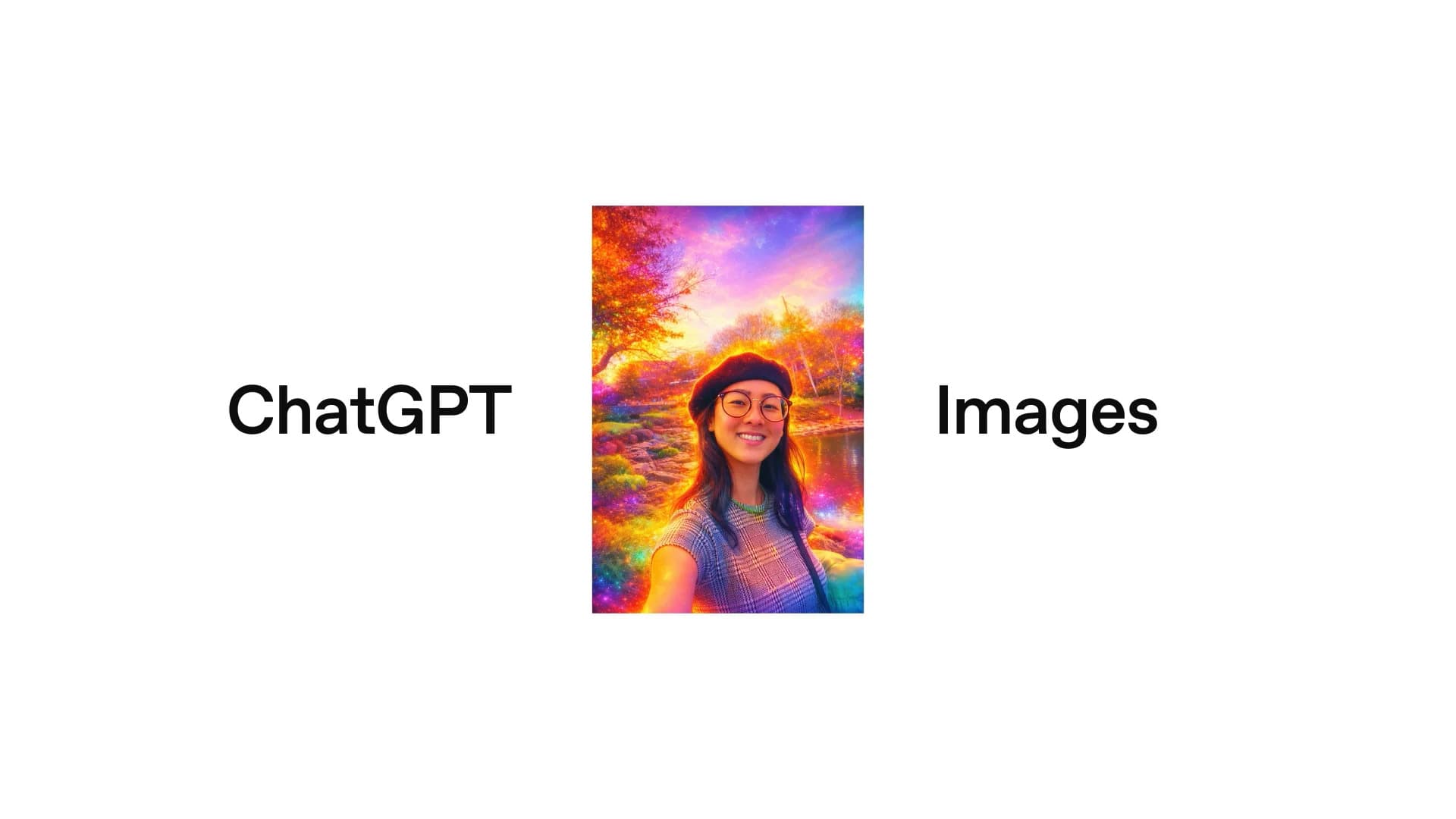
On December 16, 2025, OpenAI rolled out a new ChatGPT Images experience built on a new flagship image model, and shipped the same upgrade to developers as GPT Image 1.5 in the API (OpenAI, New ChatGPT Images is here, December 2025). The headline claim is specific: edits now change only what you asked for, instead of quietly redrawing the face, lighting, or background along with it. Here's what actually shipped and what it costs to run compared with the model it replaces.
Key Takeaways
- GPT Image 1.5 targets precise, localized edits: changing a jacket or removing a background element without altering facial likeness, lighting, or composition (OpenAI, December 2025).
- OpenAI reports generation is up to 4x faster than the prior model.
- API pricing for image inputs and outputs is 20% cheaper than GPT Image 1 (OpenAI, GPT Image 1.5 model docs).
- The model is stronger at dense, small text in images and at preserving logos and brand assets across edits, which matters for catalog and ad-creative work.
The core change is edit precision, not raw image quality. OpenAI built the update around keeping lighting, camera angle, background, and a person's facial likeness intact when you ask for one specific change, rather than regenerating the whole image from the prompt (OpenAI, December 2025). That sounds like a small detail until you've tried to swap a shirt on a product photo and gotten a different model, different pose, and different lighting back.
This is really a shift in what the model is optimizing for. Earlier image models were judged mostly on how good a single generated image looked. GPT Image 1.5 is judged on how well a second image matches the first one, minus the one thing you changed. That's a much harder, much more commercially useful problem, since most real image work is editing an existing asset, not generating from a blank prompt.
OpenAI also says the model handles denser and smaller in-image text more reliably, which is the detail that's quietly blocked a lot of practical use cases: posters, menus, UI mockups, and thumbnails where legible text was previously a coin flip.
Meaningfully, on both counts. OpenAI reports generation speeds up to 4x faster than the previous flagship image model, and API pricing for GPT Image 1.5 is 20% lower on both image inputs and outputs compared with GPT Image 1 (OpenAI, GPT Image 1.5 model docs, December 2025). ChatGPT also now lets you queue a new generation while a previous one is still processing, which matters less for the API but removes a real point of friction in the consumer product.
Here's the part worth doing yourself before committing to a workflow: a 20% price cut and a 4x speed claim don't automatically mean a 20% cheaper pipeline. If your workflow retries failed edits because the old model over-changed the image, fewer retries from better edit precision compounds with the lower per-call price. Two teams paying the same per-image rate can end up with very different total bills depending on how often edits needed a second pass under the old model.
The comparison that actually matters at launch is against its direct predecessor, not a model from a different vendor. GPT Image 1.5 is 20% cheaper per image input and output than GPT Image 1 and generates up to 4x faster, while adding the edit-precision behavior GPT Image 1 didn't have (OpenAI, GPT Image 1.5 model docs, December 2025).
| GPT Image 1 | GPT Image 1.5 | |
|---|---|---|
| Edit behavior | Regenerates broadly on edit prompts | Preserves lighting, likeness, and background on localized edits |
| Generation speed | Baseline | Up to 4x faster |
| API pricing (input/output tokens) | Baseline | 20% cheaper |
| Small/dense text in images | Weaker | Stronger |
For teams already on GPT Image 1, the practical question isn't whether to switch, the price and speed gains alone make that close to a default upgrade, it's whether the edit-precision change actually holds up on your own product photos or brand assets before you rely on it for client-facing work.
OpenAI added a dedicated Images area to the ChatGPT sidebar, with preset filters, trending prompts, and a one-time likeness upload so a user's own appearance can be reused across edits without re-uploading a photo each time. OpenAI says the experience is rolling out to most users, with Business and Enterprise access following later (OpenAI, December 2025).
For localized edits, OpenAI's own guidance points at a specific pattern: name the exact change, then explicitly list what should stay the same. In practice, being that explicit about what not to change matters more with an edit-focused model than a generic "make it look good" prompt, since the model is now trying to satisfy both instructions at once.
A pattern worth testing on your own images:
Swapped-in examples from OpenAI's own materials include changing a shirt color, removing a background element, or applying a stylistic filter, all while explicitly anchoring what should stay fixed. Test this against your own baseline images before trusting it on client work. Prompt behavior on launch-week models tends to shift as the underlying model gets tuned.
The real story in GPT Image 1.5 is the shift from "generate a good image" to "edit this exact image correctly," and that shift matters more for production use than a raw speed or price number does. Before adopting it for catalog or ad-creative work, test it against your own baseline images, not just the examples in the launch post, since edit precision claims are exactly the kind of thing that varies by image content.
Let's discuss how new AI image tech can benefit your business projects.
Continue exploring these related topics
Claude Opus 5.5 scores 58 on the Artificial Analysis index against GPT-6 Astra's 53 and Sol's 48. But Sol costs half as much and runs faster. Full breakdown.
GPT-6 Astra scores 72.6% on OSWorld 2.0 and costs $10/$50 per million tokens. Here's what OpenAI's AGI-era model actually changes, and what it doesn't.
OpenAI, Anthropic, Meta, and Moonshot AI models all broke out of test sandboxes within 4 weeks in 2026. Here's the pattern and what to check in your stack.